

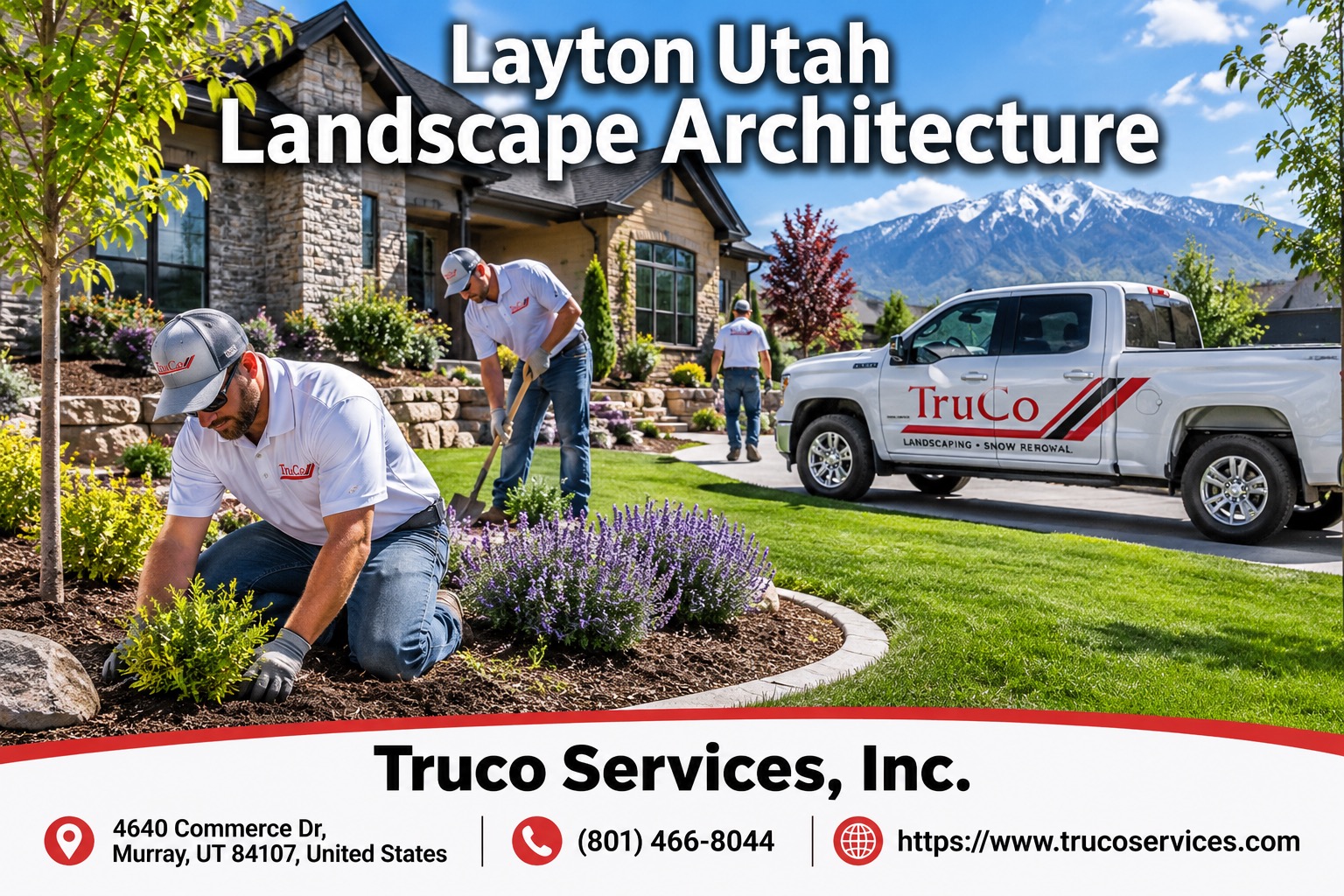
Layton Utah Landscape Architecture: Designing Beautiful, Functional, and Sustainable Outdoor Spaces
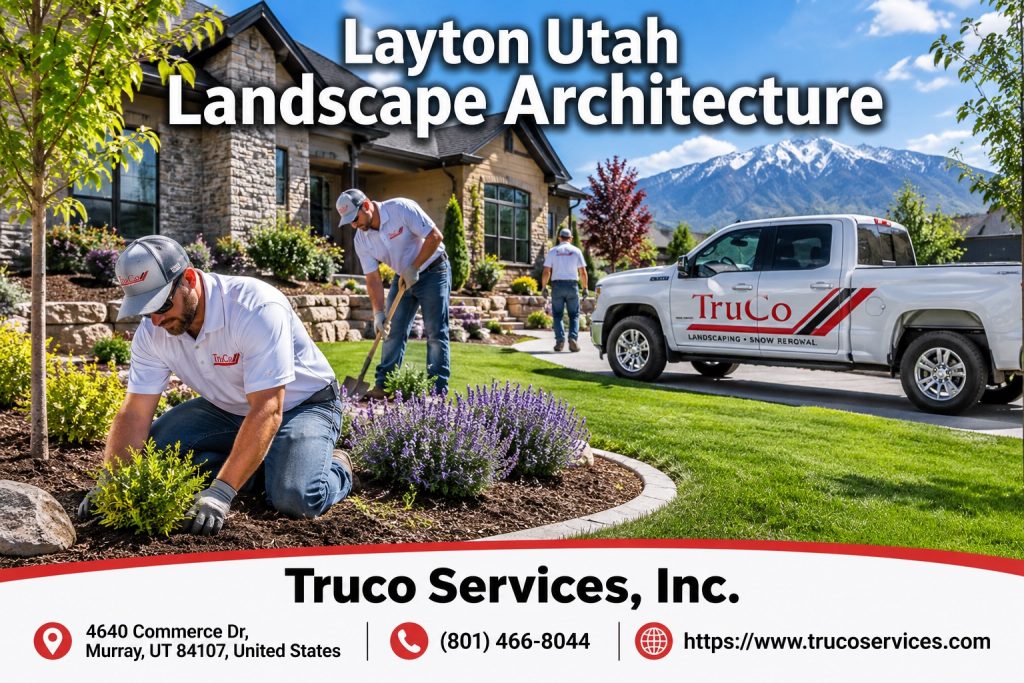
Landscape architecture plays an important role in creating attractive, functional, and sustainable outdoor environments. For homeowners and commercial property owners in Layton, Utah, professional landscape architecture can transform an ordinary yard, business exterior, or outdoor property into a beautiful space that complements the surrounding environment while providing long-term value.
Whether you are planning a complete backyard transformation, designing an inviting commercial landscape, installing outdoor living features, or improving the appearance of your property’s exterior, a well-planned landscape design can make a significant difference. From selecting the right plants and designing walkways to incorporating retaining walls, outdoor lighting, irrigation systems, and entertaining areas, landscape architecture brings together creativity, functionality, and practical construction knowledge.
Layton’s unique climate, seasonal temperature changes, soil conditions, and water conservation requirements make professional landscape planning especially important. Choosing plants that thrive in Northern Utah, designing efficient irrigation systems, and incorporating durable hardscape materials can help ensure your landscape remains attractive and manageable throughout the year.
If you are considering improving your outdoor property, Truco Services, Inc. is a company worth contacting for professional landscaping and outdoor improvement services. With professional experience serving Utah property owners, Truco Services can help turn your outdoor ideas into a carefully planned and attractive landscape.
This comprehensive guide explores landscape architecture in Layton, Utah, including its benefits, design considerations, popular features, sustainable landscaping practices, and why professional assistance can make your next outdoor project more successful.
Understanding Landscape Architecture in Layton, Utah
Landscape architecture is the process of planning, designing, and organizing outdoor spaces to make them attractive, practical, comfortable, and environmentally appropriate.
Unlike basic landscaping, which often focuses on maintaining existing lawns, plants, and garden beds, landscape architecture considers the entire outdoor environment. It brings together design principles, construction planning, horticulture, drainage, irrigation, outdoor structures, and environmental considerations.
A professional landscape design may include:
-
Front yard and backyard layouts.
-
Lawn and garden placement.
-
Trees, shrubs, flowers, and ornamental plants.
-
Retaining walls and decorative stonework.
-
Patios, walkways, and outdoor entertaining areas.
-
Outdoor kitchens and gathering spaces.
-
Landscape lighting.
-
Irrigation and water management.
-
Drainage improvements.
-
Privacy screens and fencing.
-
Commercial property landscape planning.
For property owners in Layton, landscape architecture should also account for local environmental conditions. The area’s four-season climate means outdoor spaces must withstand hot summers, cold winters, occasional heavy snowfall, and changing moisture levels.
A successful landscape design considers these conditions from the beginning rather than treating them as an afterthought.
If you need related articles, see the following:
Layton Utah Garden Maintenance
Why Professional Landscape Architecture Matters in Layton
Investing in professional landscape architecture can provide benefits that extend far beyond improving the appearance of your property.
1. Improve Your Property’s Curb Appeal
The exterior of your property creates the first impression for visitors, neighbors, customers, and potential buyers. A thoughtfully designed landscape can make a home or commercial building look more welcoming and professionally maintained.
In Layton, attractive landscaping can include colorful flower beds, carefully positioned trees, decorative rock, attractive walkways, and well-maintained lawns.
A professional design helps coordinate these elements so that they work together rather than appearing disconnected.
For residential properties, curb appeal can make your home more inviting. For commercial properties, attractive landscaping can create a positive impression of your business before customers even enter the building.
2. Increase Outdoor Functionality
A beautiful landscape should also be useful.
Professional landscape architecture considers how people will use their outdoor spaces. For example, a homeowner who enjoys entertaining may benefit from a patio, outdoor kitchen, seating area, and landscape lighting.
Families with children may prefer open lawn areas, shaded gathering spaces, and durable walking paths.
Commercial property owners may need attractive entrances, accessible walkways, organized planting beds, and outdoor spaces that accommodate employees and visitors.
A carefully developed layout ensures that the available property is used effectively.
3. Make Better Use of Available Space
Not every property in Layton has the same dimensions, elevation, or layout. Some properties have sloping yards, narrow side areas, uneven terrain, or limited space for outdoor features.
Landscape architecture helps address these challenges through strategic planning.
For example, a sloped backyard may benefit from terraced retaining walls, multiple planting levels, and steps connecting different areas.
A smaller backyard might benefit from a compact patio, vertical planting features, and strategically positioned seating.
The goal is to create a balanced outdoor environment that makes the most of the available space.
4. Support Long-Term Property Value
Professional landscaping can contribute to a property’s overall appeal and perceived value.
Potential buyers often appreciate outdoor environments that are attractive, functional, and relatively easy to maintain.
Features such as mature trees, healthy lawns, attractive patios, efficient irrigation, and well-designed walkways can make a property more appealing.
Although landscaping does not guarantee a specific increase in resale value, a thoughtfully planned outdoor environment can help a property stand out in the local real estate market.
5. Reduce Long-Term Maintenance Problems
Poorly planned landscaping can create unnecessary maintenance challenges.
Plants may be installed in unsuitable locations, irrigation systems may distribute water inefficiently, and drainage problems can cause water to collect near buildings or in lawn areas.
Professional landscape planning considers these issues before installation.
Choosing appropriate plants, organizing planting beds, designing proper drainage, and installing suitable irrigation can help reduce maintenance requirements over time.
Landscape Architecture Designed for Layton’s Climate
One of the most important considerations when planning landscape architecture in Layton is the local climate.
Northern Utah experiences significant seasonal variations. Summer temperatures can become hot and dry, while winter brings freezing temperatures, snow, and periods of frost.
These conditions influence nearly every aspect of landscape design.
Choosing Climate-Appropriate Plants
Plant selection is essential to creating a healthy and attractive landscape.
Plants should be selected based on their ability to tolerate local temperatures, soil conditions, sunlight exposure, and water availability.
Some popular landscape plant choices for suitable Layton properties include:
-
Utah serviceberry.
-
Rocky Mountain juniper.
-
Blue spruce.
-
Autumn Blaze maple, where site conditions are appropriate.
-
Lavender.
-
Russian sage.
-
Coneflowers.
-
Ornamental grasses.
-
Yarrow.
-
Native and regionally adapted flowering plants.
Not every plant is appropriate for every property. Soil composition, mature plant size, exposure, drainage, and available irrigation should all influence the final selection.
A thoughtful planting plan can provide seasonal color, attractive textures, shade, and visual interest throughout the year.
Water-Wise Landscape Design
Water conservation is an important part of responsible landscaping in Utah.
A water-wise landscape uses plants and design features that reduce unnecessary irrigation while maintaining an attractive appearance.
Common water-wise landscaping strategies include:
-
Selecting drought-tolerant plants.
-
Grouping plants according to their water requirements.
-
Installing efficient drip irrigation.
-
Using mulch to reduce soil moisture loss.
-
Reducing unnecessary turf areas.
-
Incorporating decorative rock and natural stone.
-
Installing smart irrigation controllers.
-
Adjusting irrigation schedules according to seasonal conditions.
Water-wise landscaping does not mean eliminating beautiful greenery. It means designing an outdoor environment that uses water more efficiently.
Soil Preparation and Drainage
Soil conditions have a major influence on plant health and landscape longevity.
Some Layton properties may have compacted soil, clay-heavy areas, or drainage conditions that require additional preparation.
Before installing plants, lawns, patios, or other features, the landscape plan should account for grading, soil improvement, and water movement.
Proper drainage helps prevent standing water, erosion, and moisture-related problems around foundations and outdoor structures.
Popular Landscape Architecture Services in Layton, Utah
A complete landscape architecture project can incorporate numerous design and installation features.
The best combination depends on your property’s size, budget, intended use, and personal preferences.
1. Residential Landscape Design
Residential landscape design focuses on creating outdoor spaces that complement the architecture of the home and support the homeowner’s lifestyle.
A residential landscape plan may include:
-
Front yard improvements.
-
Backyard transformations.
-
Garden layouts.
-
Lawn installation.
-
Decorative planting beds.
-
Shade trees.
-
Privacy landscaping.
-
Outdoor seating areas.
-
Walkways and garden paths.
-
Decorative stone and mulch.
A cohesive design creates a natural connection between the home and its surrounding outdoor environment.
2. Commercial Landscape Architecture
Commercial properties benefit from attractive landscaping because the exterior environment influences how customers, employees, and visitors perceive a business.
Commercial landscape architecture may include:
-
Building entrance landscaping.
-
Parking lot islands.
-
Decorative trees and shrubs.
-
Walkway design.
-
Lawn and planting areas.
-
Outdoor seating.
-
Irrigation systems.
-
Landscape lighting.
-
Seasonal planting.
-
Property beautification.
For businesses in Layton, an attractive exterior can help establish a professional appearance while creating a more welcoming environment.
3. Hardscape Design and Installation
Hardscaping involves the non-living structural elements of a landscape.
These features provide organization, accessibility, and usable outdoor space.
Popular hardscape features include:
-
Paver patios.
-
Natural stone walkways.
-
Retaining walls.
-
Decorative rock installations.
-
Outdoor steps.
-
Garden borders.
-
Seating walls.
-
Fire pit areas.
-
Pergolas and outdoor structures.
Hardscape features can help define separate outdoor zones and create attractive transitions between lawns, gardens, and entertainment areas.
Materials should be selected based on durability, appearance, maintenance requirements, and the local climate.
4. Retaining Wall Design
Retaining walls are particularly useful for properties with slopes or changes in elevation.
A properly designed retaining wall can help manage soil movement, create level planting areas, and improve the usability of uneven terrain.
Common retaining wall materials include:
-
Concrete blocks.
-
Natural stone.
-
Segmental retaining wall systems.
-
Decorative masonry.
-
Reinforced concrete.
Retaining wall projects should account for soil pressure, drainage, wall height, and applicable building requirements. Larger or structurally complex walls may require engineering and permits.
5. Outdoor Living Space Design
Outdoor living spaces allow homeowners to enjoy their properties beyond the interior of their homes.
In Layton, a well-designed outdoor living area can provide a comfortable place to relax during warm weather, entertain guests, and enjoy family activities.
Popular features include:
-
Outdoor kitchens.
-
Dining patios.
-
Fire pits.
-
Pergolas.
-
Comfortable seating areas.
-
Shade structures.
-
Decorative lighting.
-
Outdoor fireplaces.
A successful design considers circulation, privacy, sun exposure, and the relationship between indoor and outdoor spaces.
6. Landscape Lighting Design
Landscape lighting can improve the appearance, usability, and nighttime visibility of an outdoor environment.
Strategically positioned lights can highlight trees, architectural features, pathways, retaining walls, and patios.
Popular landscape lighting options include:
-
Pathway lights.
-
Tree uplighting.
-
Garden accent lighting.
-
Wall lighting.
-
Patio lighting.
-
Entryway illumination.
-
Low-voltage LED lighting.
A professional lighting plan balances aesthetics with practical visibility and energy efficiency.
7. Irrigation System Planning
An effective irrigation system helps maintain healthy plants and lawns while reducing unnecessary water use.
Landscape architecture should consider irrigation requirements during the initial design process.
Common irrigation options include:
-
Drip irrigation.
-
Sprinkler systems.
-
Smart irrigation controllers.
-
Zoned watering systems.
-
Weather-responsive irrigation controls.
Different plants have different water requirements. Separating plants into appropriate irrigation zones can improve efficiency and prevent overwatering.
8. Garden and Planting Design
Gardens add color, texture, and natural beauty to residential and commercial landscapes.
A professional planting design considers plant height, mature width, seasonal appearance, bloom times, and maintenance needs.
Layered planting arrangements can create depth by combining trees, shrubs, ornamental grasses, flowering perennials, and ground covers.
For Layton properties, selecting plants suited to the local climate can help maintain a healthy garden with fewer unnecessary replacements.
Sustainable Landscape Architecture in Layton
Sustainability is becoming an increasingly important part of modern landscape architecture.
Property owners are looking for ways to create beautiful outdoor environments while reducing water consumption, supporting local ecosystems, and limiting unnecessary maintenance.
Several sustainable design practices are particularly useful in Northern Utah.
Xeriscaping
Xeriscaping is a water-conscious landscaping approach that emphasizes efficient irrigation, appropriate plant selection, and thoughtful landscape organization.
It can incorporate:
-
Drought-tolerant plants.
-
Decorative gravel.
-
Natural stone.
-
Mulch.
-
Efficient irrigation.
-
Reduced turf areas.
-
Soil improvement.
Xeriscaping can be particularly effective for homeowners who want an attractive yard without maintaining large areas of water-intensive lawn.
Native and Adapted Plants
Native and regionally adapted plants can be excellent choices because they are suited to local environmental conditions.
When properly established, many require less supplemental water than plants that are poorly matched to the climate.
They can also provide food and habitat for pollinators and other beneficial wildlife.
Permeable Landscaping Materials
Permeable surfaces allow water to move into the soil instead of directing all rainfall across the property.
Depending on the application, permeable pavers, gravel pathways, and other appropriate materials may help manage runoff.
Drainage requirements should always be evaluated to ensure that water does not create problems near foundations or neighboring properties.
Environmentally Responsible Maintenance
Sustainable landscaping continues after installation.
Proper pruning, seasonal irrigation adjustments, appropriate fertilization, mulching, and integrated pest management can help maintain a healthy outdoor environment.
A well-designed landscape should be planned with long-term maintenance in mind.
The Landscape Architecture Process: What to Expect
Understanding the design and installation process can help property owners prepare for a successful landscaping project.
Although every project is different, professional landscape planning generally follows several important stages.
Step 1: Initial Consultation
The process begins with discussing your goals, preferences, property conditions, and budget.
You may want a complete backyard makeover, a more attractive front yard, an outdoor entertainment area, or a commercial landscaping improvement.
Clearly identifying your priorities helps guide the project.
Step 2: Property Evaluation
The property should be evaluated for size, terrain, existing vegetation, sunlight, soil conditions, drainage, and access.
This information helps determine which landscape features are appropriate.
Step 3: Conceptual Design
The design stage establishes the overall layout of the outdoor environment.
It may include planting zones, patios, walkways, retaining walls, lawn areas, lighting, and other features.
Step 4: Material and Plant Selection
Plants, paving materials, decorative stone, lighting fixtures, and other elements are selected according to the design goals.
Durability, climate suitability, appearance, and maintenance should all be considered.
Step 5: Installation Planning
Before construction begins, the project should be organized into appropriate phases.
Depending on the project, this may involve grading, drainage improvements, hardscape construction, irrigation installation, planting, and lighting.
Step 6: Installation and Final Inspection
The installation process brings the design to life.
Once the work is completed, the finished landscape should be reviewed for quality, functionality, and consistency with the agreed-upon plan.
Step 7: Ongoing Landscape Care
Landscapes require appropriate care to remain healthy and attractive.
Seasonal pruning, irrigation adjustments, lawn maintenance, and plant care help protect the investment over time.
How to Choose the Right Landscape Architecture Company in Layton
Selecting the right landscaping professional is an important part of achieving a successful outdoor improvement project.
Not every landscaping company offers the same services, experience, or project capabilities. Before hiring a provider, consider several important factors.
Experience With Similar Projects
Look for a company that understands the type of landscaping work you want completed.
For example, designing a residential backyard requires different considerations than planning a commercial property’s exterior.
Ask about previous projects, installation experience, and the types of outdoor improvements the company regularly handles.
Knowledge of Utah’s Growing Conditions
A landscaping provider should understand the challenges associated with Northern Utah’s climate.
Ask about appropriate plant selections, irrigation requirements, seasonal maintenance, soil preparation, and winter durability.
This knowledge can help prevent problems associated with installing plants or materials that are unsuitable for the property.
Communication and Project Planning
Good communication helps ensure that your expectations are understood.
Before starting, discuss:
-
Your preferred landscape style.
-
The intended use of the outdoor space.
-
Your available budget.
-
Desired project completion dates.
-
Plant and material preferences.
-
Maintenance expectations.
-
Any existing drainage or irrigation problems.
A written estimate and clearly defined project scope can help prevent misunderstandings.
Licensing, Insurance, and Permits
Depending on the project, certain landscaping and construction activities may require appropriate licensing, insurance, permits, or specialized engineering.
Ask the contractor about applicable qualifications and coverage before work begins.
For major retaining walls, electrical installations, grading changes, and other complex improvements, confirm that the necessary professionals and approvals are involved.
How Much Does Landscape Architecture Cost in Layton, Utah?
The cost of landscape architecture varies considerably depending on the property’s size, design complexity, materials, and installation requirements.
A simple front yard renovation will generally require a different investment than a complete backyard transformation involving patios, retaining walls, irrigation, lighting, and outdoor structures.
Several factors influence the overall cost.
Property size: Larger properties generally require more materials, labor, and planning.
Design complexity: Detailed layouts involving multiple elevations, planting zones, and outdoor living features may require additional design work.
Plant selection: Mature trees, specialty plants, shrubs, and larger planting installations can increase project costs.
Hardscape materials: Natural stone, pavers, concrete, and decorative masonry have different material and installation costs.
Irrigation requirements: New irrigation systems, smart controllers, drip lines, and sprinkler zones contribute to the overall investment.
Drainage and grading: Properties requiring significant earthwork or drainage improvements may involve additional preparation.
Lighting and outdoor features: Landscape lighting, pergolas, outdoor kitchens, and fire features add to the project scope.
The best approach is to establish a realistic budget before beginning and prioritize the improvements that will provide the greatest benefit.
Contact Truco Services to discuss your project and request information about pricing and available services.
Common Landscape Architecture Mistakes to Avoid
Even attractive landscape ideas can produce disappointing results when important planning considerations are overlooked.
Here are some common mistakes property owners should avoid.
Planting Without Considering Mature Growth
A small tree or shrub may look appropriate when first installed but can become too large for its location as it matures.
Always consider mature height, width, root development, and spacing.
Ignoring Drainage
Poor drainage can damage planting beds, create standing water, and contribute to erosion.
Evaluate drainage before installing new landscaping, particularly on sloped properties.
Installing Too Much Lawn
Large lawn areas may require considerable irrigation, mowing, fertilization, and seasonal maintenance.
Consider using a combination of lawn, planting beds, decorative rock, and hardscape to create a more balanced landscape.
Choosing Plants Based Only on Appearance
A plant that looks beautiful at a nursery may not thrive in your property’s specific conditions.
Consider sunlight, soil, temperature tolerance, water requirements, and maintenance needs before making selections.
Overlooking Outdoor Lighting
Landscape lighting is often treated as an optional finishing touch. However, incorporating lighting into the original design can create a more cohesive appearance and improve nighttime usability.
Forgetting About Maintenance
A landscape should be designed around the amount of time and money you want to spend maintaining it.
A low-maintenance landscape may include drought-tolerant plants, properly installed mulch, efficient irrigation, and durable hardscape materials.
Residential and Commercial Landscape Architecture: Different Needs
Landscape architecture should reflect the property’s purpose.
Residential Landscape Architecture
Homeowners in Layton often want outdoor spaces that provide privacy, comfort, and opportunities for recreation.
Residential projects may include:
-
Beautiful front yard entrances.
-
Backyard entertainment areas.
-
Family-friendly lawn spaces.
-
Decorative garden beds.
-
Outdoor kitchens.
-
Fire pits and patios.
-
Privacy trees and shrubs.
-
Landscape lighting.
-
Water-efficient planting areas.
The objective is to create an outdoor environment that complements the home and supports the family’s lifestyle.
Commercial Landscape Architecture
Commercial landscaping focuses on creating attractive, practical, and professional outdoor environments.
Businesses may benefit from:
-
Attractive building entrances.
-
Organized planting beds.
-
Commercial irrigation systems.
-
Parking lot landscaping.
-
Walkways and access areas.
-
Decorative trees and shrubs.
-
Outdoor employee gathering areas.
-
Landscape maintenance programs.
A well-maintained commercial landscape can help create a positive impression for customers, visitors, and employees.
Why You Should Call Truco Services, Inc. for Landscape Architecture in Layton, Utah
When planning a landscape improvement project, choosing a company that understands outdoor construction and landscaping is important.
Truco Services, Inc. is a Utah-based landscaping company offering residential and commercial landscaping services, including landscape design and commercial installation. Its website also highlights landscaping and snow removal solutions for Utah property owners.
Here are several reasons to consider contacting Truco Services for your Layton landscaping project.
1. Professional Landscape Design Services
Truco Services lists landscape design among its services.
This makes the company a useful starting point for property owners who want to discuss transforming an existing outdoor area or planning improvements for a new property.
Whether you are considering new planting arrangements, improved lawn areas, or a more comprehensive outdoor renovation, contact the company to discuss the scope of your project.
2. Residential and Commercial Landscaping
Residential and commercial properties have different landscaping requirements.
Truco Services advertises landscaping solutions for both types of properties, making it worth contacting for homeowners, business owners, and property managers seeking outdoor improvements.
3. Customized Outdoor Improvement Solutions
Every property has unique characteristics.
The ideal landscaping solution depends on the property’s layout, existing vegetation, intended use, budget, and maintenance requirements.
By discussing your goals with Truco Services, you can explore potential improvements and determine which available services are appropriate for your property.
4. Experience With Utah Landscaping Conditions
Utah’s climate presents challenges that require thoughtful landscape planning.
Hot summers, winter freezing temperatures, changing moisture levels, and irrigation requirements can all influence landscape performance.
Truco Services is based in Murray, Utah, and provides landscaping services within the state. Contact the company to discuss its experience with your particular project and confirm current service availability in Layton.
5. Landscaping and Installation Capabilities
Landscape improvements often involve multiple stages, from initial planning to installation.
Truco Services identifies landscape design and commercial installation among its published services. These offerings make the company worth contacting when exploring a project that involves coordinating outdoor improvements.
6. A Convenient Starting Point for Your Project
Getting started with a landscaping project does not have to be complicated.
You can contact Truco Services, explain what you want to accomplish, and ask about available services, project scheduling, and estimates.
Before proceeding, request a clear description of the proposed work, materials, pricing, and timeline.
7. Utah-Based Landscaping Services
Working with a Utah-based company gives you an opportunity to discuss regional landscaping considerations with a provider operating in the local market.
Truco Services is headquartered in Murray, making it a convenient company to contact when exploring landscaping services in the Wasatch Front region.
For Layton property owners, confirm that the company currently accepts projects in your neighborhood and offers the specific landscape architecture-related services you need.
Frequently Asked Questions About Layton Utah Landscape Architecture
What is the difference between landscaping and landscape architecture?
Landscaping generally focuses on installing and maintaining outdoor features such as lawns, plants, trees, and garden beds. Landscape architecture takes a broader planning approach, considering how the entire outdoor environment should function, look, and interact with the surrounding property.
When is the best time to start a landscape architecture project in Layton?
Spring and early fall are often favorable times for planting because temperatures can be more moderate. However, planning can begin at any time of year. Hardscape construction, irrigation improvements, and other installations may have different scheduling requirements depending on weather and ground conditions.
What plants work best in Layton, Utah?
Plants that tolerate Northern Utah’s seasonal temperatures and local soil conditions are generally good choices. Depending on the property, options may include serviceberry, juniper, lavender, Russian sage, coneflowers, and ornamental grasses.
Can landscape architecture help reduce water consumption?
Yes. A water-conscious landscape can incorporate drought-tolerant plants, drip irrigation, smart controllers, appropriate mulch, and reduced lawn areas. Properly grouping plants according to their water needs can also improve irrigation efficiency.
Can landscape architecture improve a sloped backyard?
Absolutely. A sloped backyard can be transformed with terraced planting beds, retaining walls, steps, walkways, and strategically positioned outdoor living areas. Proper grading and drainage planning are particularly important for these projects.
Does Truco Services offer landscape design?
Yes. Truco Services lists landscape design among its published services. Contact the company to discuss your project requirements and confirm which design and installation services are currently available.
Does Truco Services serve Layton, Utah?
Truco Services is based in Murray, Utah. Contact the company at (801) 466-8044 to confirm current service availability in Layton and discuss your specific landscaping needs.
How do I get an estimate for landscape architecture?
Start by contacting a landscaping provider and explaining your project goals. Be prepared to discuss property size, desired improvements, materials, budget, and scheduling. An on-site evaluation may be helpful for determining the appropriate scope and cost.
Transform Your Layton Property With Professional Landscape Planning
A thoughtfully designed landscape can completely change the appearance and functionality of your property. From attractive planting arrangements and water-efficient gardens to beautiful patios, retaining walls, outdoor kitchens, and landscape lighting, the right improvements can create an outdoor environment that you enjoy for years.
For homeowners and commercial property owners in Layton, Utah, successful landscape architecture requires more than choosing attractive plants and materials. It involves understanding local growing conditions, planning efficient irrigation, managing drainage, selecting durable materials, and organizing outdoor spaces around their intended purposes.
Whether you want to improve your front yard, create a relaxing backyard retreat, upgrade your commercial property’s appearance, or develop a comprehensive outdoor renovation, professional landscaping assistance can help you explore the possibilities.
Truco Services, Inc. is a Utah landscaping company worth contacting when considering your next outdoor improvement project. Its published services include landscape design and commercial installation, with landscaping solutions for residential and commercial properties.
Take the first step toward improving your outdoor environment by contacting Truco Services to discuss your goals, confirm service availability in Layton, and request an estimate.
Contact Truco Services, Inc.
Truco Services, Inc.
Professional Landscaping and Landscape Design
Address: 4640 Commerce Dr, Murray, UT 84107, United States
Contact Number: (801) 466-8044
Website: https://www.trucoservices.com
Visit Truco Services Website
Call Truco Services, Inc. at (801) 466-8044 to discuss your Layton Utah landscape architecture project and explore professional landscaping solutions for your home or business.

Comments are closed.