

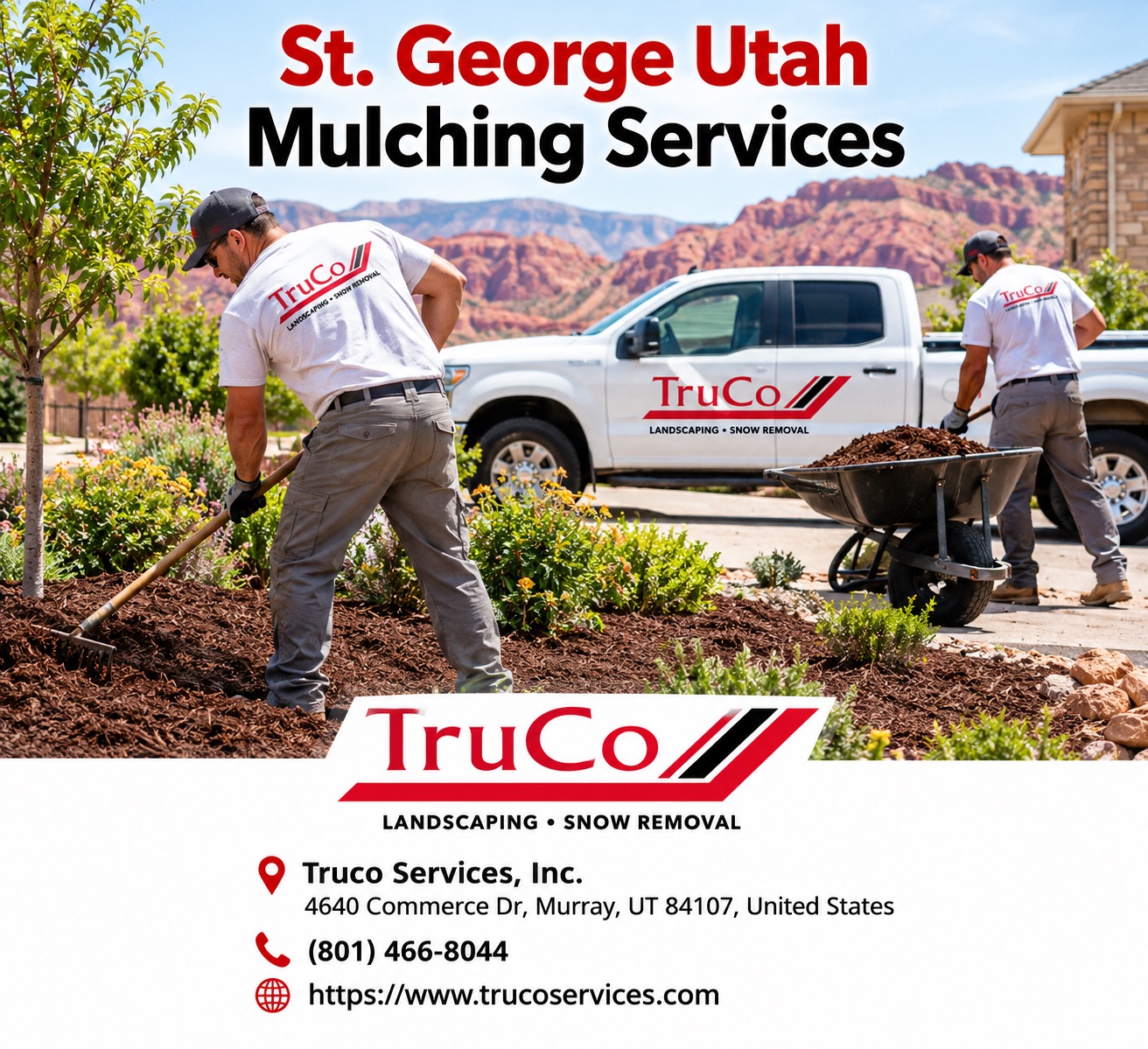
St. George Utah Mulching Services: Improve Your Landscape with Truco Services, Inc.
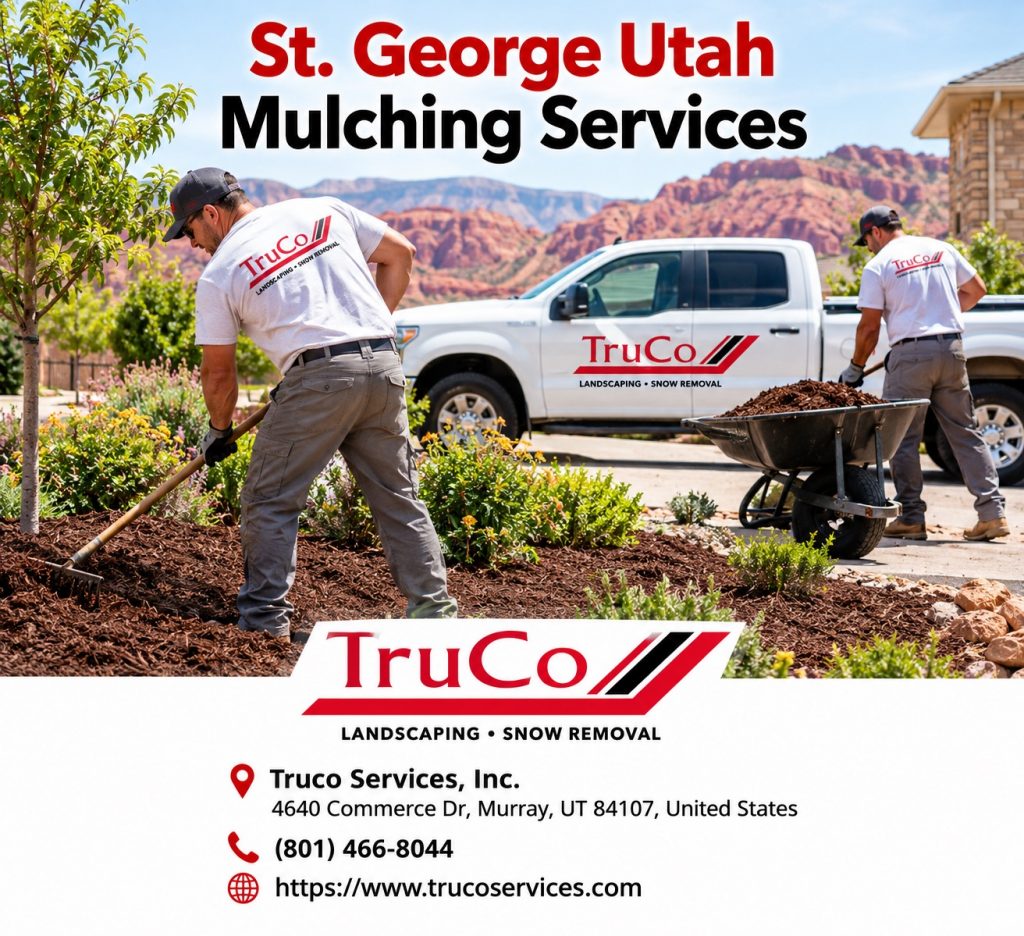
A beautiful, healthy landscape begins with the right foundation. In Southern Utah, where hot summers, limited rainfall, intense sunshine, and dry conditions can challenge plants and soil, proper mulching is an important part of maintaining an attractive and sustainable outdoor space. Whether you own a home, manage a commercial property, or oversee a large outdoor landscape, professional St. George Utah Mulching Services can help protect your plants, conserve moisture, improve soil conditions, and enhance the appearance of your property.
Truco Services, Inc. provides professional landscaping solutions designed to help property owners maintain attractive, functional, and healthy outdoor environments. With thoughtful mulch selection, proper installation, and attention to the needs of your landscape, you can create an outdoor space that looks polished while supporting long-term plant health.
If you want to improve your garden beds, protect trees and shrubs, reduce routine maintenance, or refresh the appearance of your property, understanding the benefits of mulching is an excellent first step.
What Are Mulching Services?
Mulching is the process of spreading a protective layer of material over the soil around trees, shrubs, flowers, and other landscape plants. Mulch can consist of organic materials, such as shredded bark, wood chips, and compost, or inorganic materials, such as decorative rock and gravel.
Professional mulching services involve more than simply spreading material across the ground. A successful project begins with evaluating the landscape, selecting suitable materials, preparing the soil surface, determining the appropriate mulch depth, and distributing the material evenly.
For property owners in St. George, Utah, the right mulching strategy can make a significant difference because the local climate presents unique landscaping challenges. High temperatures and dry conditions can cause exposed soil to lose moisture quickly. Mulch provides a protective covering that helps moderate soil conditions and supports healthier plant growth.
Truco Services, Inc. can help property owners explore landscaping solutions that complement their property’s design, maintenance requirements, and outdoor goals.
If you need related articles, see the following:
St. George Utah Fire Pit Installation
St. George Utah Landscape Patio Design
Why Mulching Is Important in St. George, Utah
St. George is known for its sunny weather, desert surroundings, and distinctive red-rock scenery. Although these characteristics make the area attractive, they also influence how residential and commercial landscapes should be maintained.
Plants growing in Southern Utah may experience intense sunlight, dry soil, temperature fluctuations, and periods of limited rainfall. Exposed soil can become hot and compacted, while wind and water can contribute to erosion in vulnerable areas.
Mulching helps address several of these challenges.
1. Conserving Soil Moisture
Water conservation is an important consideration for landscaping in St. George. A suitable layer of mulch reduces direct sunlight on the soil surface and slows moisture loss through evaporation.
This can help soil remain moist longer after irrigation or rainfall. While mulch does not eliminate the need for watering, it can improve the efficiency of landscape irrigation when combined with appropriate watering practices.
For homeowners with flower beds, shrubs, ornamental trees, or drought-tolerant plants, moisture conservation can support healthier landscaping while helping reduce unnecessary water use.
2. Protecting Plant Roots
Plant roots can be affected by extreme soil temperatures. During hot weather, exposed soil may heat up considerably, potentially placing additional stress on shallow roots.
Mulch provides an insulating layer that helps moderate soil temperature fluctuations. This protection is especially useful around young trees, shrubs, and other plants that are still establishing their root systems.
Proper mulching also helps protect the soil surface from direct environmental exposure, creating more favorable conditions for plant development.
3. Reducing Weed Growth
Weeds compete with desirable plants for water, nutrients, sunlight, and space. They can also make landscaped areas appear neglected.
A properly applied mulch layer blocks some of the sunlight needed for weed seeds to germinate. Although mulch will not eliminate every weed, it can significantly support a consistent weed-management program.
For residential gardens and commercial properties, fewer weeds can mean less time spent pulling unwanted growth and maintaining landscape beds.
4. Helping Prevent Soil Erosion
Bare soil is vulnerable to displacement by wind and flowing water. This can be particularly problematic on sloped areas, around newly planted beds, or where irrigation runoff moves across the landscape.
Mulch helps shield the soil surface from the direct impact of raindrops and can reduce erosion in appropriate applications. It may also help limit the movement of soil particles during irrigation.
The type of mulch and the way it is installed should be selected according to the slope, drainage conditions, and surrounding plants.
5. Improving Landscape Appearance
Mulch creates a clean, finished appearance around trees, shrubs, flower beds, and other landscape features. Consistent mulch coverage can help define planting areas, complement decorative stonework, and create visual contrast between plants and surrounding hardscape.
For businesses, a neat landscape can contribute to a positive first impression. For homeowners, refreshed garden beds can make outdoor spaces look more organized and inviting.
Truco Services, Inc. can help property owners incorporate mulching into a broader landscaping plan that supports both appearance and function.
Types of Mulch for St. George Utah Landscapes
Selecting the right mulch is essential because different materials offer different advantages. The best choice depends on plant requirements, the desired appearance, irrigation practices, maintenance preferences, and the property’s overall design.
Organic Mulch
Organic mulch comes from natural materials that gradually decompose. Common examples include shredded bark, wood chips, bark nuggets, and composted organic materials.
Benefits of organic mulch include:
- Helping soil retain moisture.
- Moderating soil temperatures.
- Suppressing weeds when applied appropriately.
- Adding organic matter to the soil as the material decomposes.
- Creating a natural appearance around trees, shrubs, and garden plants.
Organic mulch is particularly useful for many planting beds where improving soil structure and supporting plant health are priorities.
Because it decomposes over time, it typically needs periodic inspection and replenishment. In St. George, the material should also be evaluated for its suitability around drought-tolerant plants and for compatibility with local irrigation practices.
Wood Chips and Shredded Bark
Wood chips and shredded bark are popular choices for residential and commercial landscapes. They provide a natural finish and can be used around trees, shrubs, and ornamental planting beds.
Shredded bark often creates a relatively uniform surface, while wood chips provide a more textured appearance. Material size and consistency influence how the mulch settles, how easily it moves, and how much maintenance it requires.
When installing wood-based mulch, it is important to keep it away from direct contact with tree trunks, shrub stems, and building siding.
Decorative Rock and Gravel
Decorative rock is widely used in desert-inspired landscaping because it provides a durable surface and does not decompose in the same way as organic mulch.
Rock mulch can complement native and drought-tolerant plants, pathways, xeriscaping designs, and other landscape features. It is available in various sizes, shapes, and colors to complement Southern Utah’s natural surroundings.
However, decorative rock does not add organic matter to the soil, and it can become hot in direct sunlight. Some rock surfaces may also encourage additional heat around nearby plants. The selection and placement of rock should therefore reflect the needs of the plants and the site’s exposure.
Compost-Based Mulch
Compost-based materials can be useful in planting beds where improving soil quality is a priority. Depending on the material, compost can contribute organic matter and nutrients while helping support soil structure.
Not every compost product is appropriate as a thick surface mulch, however. The material should be suitable for the intended use and applied according to the requirements of the plants.
Choosing the Best Mulch for Your Property
There is no single mulch that works best for every St. George landscape. A property with desert-adapted shrubs may benefit from a different surface treatment than a garden with flowering perennials or a shaded planting bed.
Consider the following factors before choosing a material:
- Plant requirements: Some plants prefer mineral soil and excellent drainage, while others benefit from organic matter.
- Watering practices: Mulch should complement the property’s irrigation system rather than interfere with water reaching plant roots.
- Sun exposure: Materials can differ in how much heat they absorb and retain.
- Maintenance needs: Organic mulch generally requires replenishment, while rock mulch can remain in place for longer periods.
- Appearance: The color, size, and texture of the material should complement the home’s architecture and surrounding landscape.
- Budget: Material costs, delivery, preparation, installation, and future maintenance all affect the total investment.
A professional landscaping assessment can help you make an informed decision.
Professional Mulching Services for Residential Properties
Homeowners in St. George can use professional mulching to improve the appearance and function of gardens, yards, and outdoor living areas.
Garden Bed Mulching
Flower beds and ornamental planting areas often benefit from a consistent layer of mulch. It helps define planting spaces, reduce weed growth, and protect soil from direct sunlight.
Before mulch is installed, existing weeds should be addressed and the soil surface inspected. The mulch can then be spread evenly while leaving adequate space around plant stems.
Tree and Shrub Mulching
Trees and shrubs can benefit from mulch around their root zones. A broad, appropriately sized mulch ring helps protect the soil and reduce competition from grass and weeds.
However, piling mulch against the trunk can trap moisture and contribute to bark decay and other problems. The trunk flare should remain visible, and a clear gap should be maintained around the trunk.
Front Yard and Backyard Improvements
Mulch can transform the appearance of a front yard by creating crisp planting-bed borders and emphasizing trees, shrubs, and decorative features.
In backyards, it can support garden beds, landscape islands, and selected areas surrounding outdoor living spaces. Combining mulch with appropriate edging, plants, pathways, and hardscape features can create a more cohesive design.
Mulching for New Landscapes
Newly landscaped properties often benefit from mulching after planting and irrigation installation have been completed. A suitable mulch layer helps protect exposed soil while new plants establish their roots.
The installation sequence matters: irrigation coverage should be checked, plants should be positioned correctly, and drainage should be considered before mulch is spread.
Commercial Mulching Services in St. George, Utah
Commercial landscaping requires a balance between appearance, durability, maintenance, and operational needs. Offices, retail centers, apartment communities, hospitality properties, and other commercial facilities can benefit from professional mulching.
Creating a Professional First Impression
Landscape beds are often among the first things visitors notice when arriving at a commercial property. Fresh, evenly distributed mulch can help create a clean and organized appearance around entrances, signs, parking areas, and walkways.
A maintained landscape communicates attention to detail and helps businesses present their property in a professional manner.
Supporting Consistent Property Maintenance
Commercial properties often contain extensive planting beds that require regular attention. Mulching can form part of a scheduled maintenance program that includes weed management, pruning, irrigation inspection, and seasonal landscape cleanup.
A consistent plan helps prevent beds from becoming overgrown or unevenly covered.
Managing Large Landscape Areas
Larger commercial properties may require substantial quantities of mulch, careful delivery coordination, and efficient installation. Planning the work around pedestrian access, business hours, irrigation systems, and parking arrangements can reduce disruption.
Truco Services, Inc. is a landscaping company property owners can contact to discuss their project requirements and determine an appropriate service approach.
How Much Mulch Does Your Landscape Need?
The amount of mulch required depends on the size of the planting area, the desired depth, and the type of material.
For many organic mulches, a layer of approximately two to three inches is a useful starting point for established planting beds, although the appropriate depth depends on the material and the plants. Finer materials and certain specialized applications may require a different approach. Avoid excessively deep layers.
For a rough estimate, use this formula:
Cubic yards of mulch = area in square feet × depth in inches ÷ 324
For example, a 500-square-foot planting bed covered with two inches of mulch requires approximately 3.1 cubic yards of material before allowing for settling, uneven ground, or installation waste.
This calculation is an estimate, not a substitute for measuring the actual site. Decorative rock may require a different installation depth based on its size, intended use, and design specifications.
A professional assessment can help determine the appropriate quantity and avoid ordering too much or too little material.
The Professional Mulching Process
Quality results depend on proper preparation and installation. A typical professional mulching project involves several important steps.
Step 1: Evaluate the Landscape
The process begins with reviewing the property, identifying the planting areas, assessing existing ground cover, and considering drainage, irrigation, sunlight, and plant requirements.
Step 2: Select Appropriate Materials
The mulch should suit the landscape’s design, soil conditions, plant species, and maintenance expectations. Material availability and delivery access may also influence the final selection.
Step 3: Prepare the Planting Beds
Existing weeds and unwanted debris should be removed where appropriate. The soil surface is then assessed for drainage concerns, exposed irrigation components, and other issues that should be addressed before installation.
Step 4: Inspect Irrigation and Plant Placement
Sprinkler heads, drip lines, emitters, and other irrigation components should remain accessible and functional. Mulch should not bury sprinkler heads or obstruct water delivery.
Step 5: Apply Mulch Evenly
The selected material is distributed at an appropriate depth. Installers should avoid burying plant crowns, covering tree trunk flares, or piling material against walls and siding.
Step 6: Clean Up and Review
After installation, the work area should be checked for even coverage, proper clearance around plants, accessible irrigation components, and a neat overall appearance.
These steps help ensure the finished landscape is attractive and practical to maintain.
Mulching and Water-Wise Landscaping
Mulching works best when it is part of a complete water-wise landscape strategy. In St. George, this may involve combining appropriate ground cover with drought-tolerant plants, efficient irrigation, and thoughtful landscape design.
Combining Mulch with Xeriscaping
Xeriscaping focuses on designing landscapes that use water efficiently. It can include drought-tolerant vegetation, decorative rock, carefully planned planting beds, efficient irrigation, and suitable organic mulch.
For example, a property might feature desert-adapted shrubs, flowering perennials, decorative stone, and organic mulch around selected plants that benefit from it.
The important point is that different parts of a landscape may require different ground-cover materials. Rock may be suitable for some desert planting beds, while organic mulch may be preferable around other plants. Plant requirements should guide the decision.
Truco Services, Inc. publishes landscaping guidance covering xeriscaping, sustainable landscaping, and landscape maintenance for St. George properties. These topics can help property owners understand how mulching fits into a broader approach to attractive, water-conscious landscaping. <Link url=”https://www.trucoservices.com/posts/st-george-utah-sustainable-landscaping” title=”Explore Truco Services’ St. George sustainable landscaping guide”/>.
Supporting Efficient Irrigation
Mulch can help reduce evaporation, but it cannot compensate for a poorly designed or malfunctioning irrigation system.
Drip irrigation is often useful for watering individual trees, shrubs, and planting beds. Properly positioned emitters can direct water toward root zones while limiting unnecessary wetting of surrounding surfaces.
When mulch is installed, irrigation lines and emitters must remain functional and accessible. Water delivery should be checked after installation to ensure that plants receive adequate moisture.
Selecting Climate-Appropriate Plants
Mulch should complement the plants growing in the landscape. Native and climate-adapted species may be better suited to Southern Utah conditions than plants requiring consistently moist soil.
Plant selection should account for mature size, sunlight exposure, soil drainage, and water needs. Grouping plants with similar watering requirements can also make irrigation more efficient.
Common Mulching Mistakes to Avoid
Although mulching is relatively straightforward, incorrect installation can reduce its benefits or damage plants.
Applying Too Much Mulch
A thick layer of mulch can restrict airflow, retain excessive moisture around plant crowns, and create an unsuitable environment for roots. In some situations, excessive mulch can also encourage shallow root growth.
For many established planting beds, approximately two to three inches of organic mulch is a reasonable starting point, subject to the material and plant requirements.
Piling Mulch Against Tree Trunks
One of the most common landscaping mistakes is creating a mound of mulch around the base of a tree.
This practice, sometimes called volcano mulching, can keep bark excessively moist and increase the risk of trunk damage. Mulch should be spread across the surrounding root zone while leaving the trunk flare exposed and a clear space around the trunk.
Choosing the Wrong Material
A mulch that works well in one garden may be inappropriate for another. Some plants prefer mineral ground cover and excellent drainage, while others benefit from organic material.
Before choosing a product, consider the plants, soil conditions, irrigation method, and desired appearance.
Covering Irrigation Components
Sprinkler heads, drip emitters, and irrigation valves should not be buried or obstructed. Hidden components can become difficult to inspect and may not distribute water correctly.
Installation should preserve access to these systems and allow the irrigation to function as intended.
Ignoring Drainage Problems
Mulch should not be used to conceal poor grading, standing water, or persistent drainage issues. Water should move away from structures and flow through the landscape in a controlled manner.
If a planting bed repeatedly becomes waterlogged, the underlying drainage or irrigation problem should be investigated before adding more mulch.
Forgetting Routine Maintenance
Organic mulch gradually decomposes, while wind, water, and normal landscape activity can move material out of place. Decorative rock may also collect leaves, weeds, and other debris.
Periodic inspections help determine whether the landscape needs replenishment, redistribution, weed removal, or other maintenance.
When Is the Best Time to Mulch in St. George, Utah?
Mulching can be performed at different times of the year, depending on the property’s condition, the selected material, and the plants being maintained.
Spring mulching can prepare planting beds for the growing season, improve their appearance, and help limit weed growth as temperatures rise.
Summer mulching may help protect exposed soil during hot weather, although installation should be planned carefully around heat-sensitive plants and irrigation needs.
Fall mulching can refresh planting beds before cooler weather and help moderate soil temperature fluctuations. The appropriate approach depends on the plants, material, and local conditions.
Rather than relying on a rigid schedule, property owners should assess mulch depth, material condition, weed growth, and the needs of their landscape. Adding fresh mulch when necessary is generally more useful than automatically applying a new thick layer every season.
How Mulching Can Help Increase Property Appeal
A well-maintained landscape can contribute to the overall appeal of a residential or commercial property. Mulch helps create visual consistency, highlights plants, and provides a clean transition between planting areas and lawns, paths, driveways, or patios.
For homeowners preparing to sell, refreshed planting beds can help make the property look cared for and inviting. For businesses, attractive landscaping can improve the appearance of entrances and other areas visible to customers.
Mulching alone does not guarantee an increase in property value, but it can be a useful part of a broader landscaping and property-maintenance strategy.
Why You Should Call Truco Services, Inc. for St. George Utah Mulching Services
Choosing the right landscaping company can make it easier to coordinate materials, installation, and ongoing landscape care. Truco Services, Inc. is a Utah landscaping company that property owners can contact to discuss their landscaping needs and explore suitable solutions.
Here are several reasons to consider contacting Truco Services for your mulching project.
1. A Broader Landscaping Perspective
Mulching is often connected to other landscaping needs, including planting-bed maintenance, irrigation, xeriscaping, landscape design, and general outdoor improvements.
A company with broader landscaping experience can help you consider how mulch fits into the overall appearance and function of your property rather than treating it as an isolated task.
Truco Services publishes guidance on landscape maintenance and sustainable landscaping in St. George, giving property owners useful information about these related considerations.
2. Solutions for Different Property Needs
Every property has different requirements. A homeowner may want to refresh a small flower bed, while a commercial property manager may need to maintain extensive planting areas.
The appropriate material, preparation, and installation approach will depend on the site’s size, plants, irrigation, and maintenance expectations.
By discussing your specific goals with Truco Services, you can ask about the scope of your project and the landscaping services that may be appropriate.
3. Attention to Southern Utah’s Climate
Landscaping in St. George requires consideration of intense sunlight, hot weather, and water management. Selecting mulch without considering these conditions may lead to unnecessary maintenance or poor results.
A climate-conscious approach considers the plants being grown, the amount of sun the area receives, and the way water moves through the soil.
Truco Services’ published St. George landscaping resources address water-wise landscaping, xeriscaping, and local landscape maintenance. <Link url=”https://www.trucoservices.com/posts/st-george-utah-xeriscape” title=”Read the St. George xeriscaping guide”/>.
4. A Focus on Attractive Outdoor Spaces
Mulch can improve both the function and appearance of planting beds. Even coverage, appropriate material selection, and careful installation help create a more finished landscape.
Whether your goal is a tidy front yard, an attractive garden, or a better-maintained commercial property, mulching can support your broader landscaping objectives.
5. One Point of Contact for Your Landscaping Questions
Property owners often have questions about more than mulch. You may also want advice about plant selection, irrigation, seasonal maintenance, decorative rock, or improving the layout of your yard.
Contacting a landscaping company can help you discuss these needs together and determine which services are available for your property.
Truco Services can be contacted directly to ask about your project, explain your goals, and request information about service availability and pricing. Be sure to confirm that the specific mulching service and your St. George location are within the company’s current service area.
How to Prepare for a Mulching Service Appointment
A little preparation can make it easier to plan your project and receive an accurate estimate.
Before contacting Truco Services, consider the following:
- Identify the areas: Determine which trees, shrubs, garden beds, or commercial planting areas need mulch.
- Estimate the size: Approximate the length and width of each area, or arrange for the property to be measured.
- Describe existing materials: Explain whether the beds currently contain wood chips, bark, decorative rock, or exposed soil.
- Identify plant concerns: Mention struggling plants, exposed roots, recurring weeds, or areas that remain too wet or too dry.
- Choose your preferred appearance: Consider natural bark, wood chips, decorative rock, or another suitable material.
- Set your budget: Establish a general budget so you can discuss material choices and project priorities.
- Ask about the scope: Clarify whether the estimate includes bed preparation, weed removal, material delivery, installation, cleanup, and disposal of old material.
- Discuss maintenance: Ask how frequently the selected material may need inspection or replenishment.
These details help establish realistic expectations and make it easier to compare estimates.
Frequently Asked Questions About St. George Utah Mulching Services
Does mulch help reduce water use in St. George?
Mulch can reduce evaporation from the soil surface and help soil retain moisture longer. The actual water savings depend on the material, the plants, the irrigation system, and local conditions. Mulching should complement efficient irrigation rather than replace it.
Is organic mulch better than decorative rock?
Neither material is universally better. Organic mulch can add organic matter to the soil as it decomposes, while decorative rock is durable and fits many desert-style landscapes. Plant requirements, soil conditions, heat exposure, and maintenance preferences should guide the decision.
How often should mulch be replaced?
Organic mulch should be inspected periodically and replenished when it becomes thin, decomposed, or displaced. The timing varies according to the material and environmental conditions. Decorative rock usually lasts longer but may require occasional cleaning, redistribution, and weed management.
Can mulch eliminate weeds?
No. Mulch can suppress many weeds by limiting the light available for germination, but persistent weeds may still emerge. Proper bed preparation and ongoing weed management remain important.
Should mulch touch tree trunks?
No. Keep mulch away from direct contact with tree trunks and expose the trunk flare. Piling mulch against the trunk can contribute to moisture-related bark problems.
Can mulch be used in a desert landscape?
Yes, provided the material is appropriate for the plants and site. Organic mulch can benefit selected planting beds, while rock or gravel may be suitable for other areas. A mixed approach is often practical in water-wise landscaping.
Does professional mulching include weed removal?
The scope varies by service provider and project. Ask whether weed removal, edging, preparation, material delivery, installation, and cleanup are included in your estimate.
How much does mulching cost in St. George, Utah?
Pricing depends on the area being covered, the material selected, the quantity required, site accessibility, preparation needs, delivery, and labor. Request a project-specific estimate rather than relying on a generic price.
Can mulching improve an older landscape?
Yes. Refreshing mulch can make an older landscape look more organized and better maintained. Before adding new material, inspect the beds for weeds, drainage problems, excessive existing mulch, and plant-health concerns.
Contact Truco Services, Inc. for Mulching Services
If you are ready to refresh your planting beds, improve the appearance of your property, or explore better ways to protect your landscape, professional guidance can help you choose a practical approach.
Truco Services, Inc. offers landscaping-related services and publishes resources on maintaining attractive, water-conscious landscapes in Utah. Contact the company to discuss your goals, ask about available services in St. George, and request an estimate tailored to your property.
Business Contact Information
Truco Services, Inc.
Address: 4640 Commerce Dr, Murray, UT 84107, United States
Contact number: (801) 466-8044
Website: https://www.trucoservices.com
Conclusion: Invest in Healthier Landscaping with Professional Mulching
Mulching is a valuable part of landscape maintenance in St. George, Utah. When selected and installed correctly, it can help conserve soil moisture, moderate soil temperatures, suppress weeds, protect exposed soil, and create a clean, attractive appearance around trees, shrubs, and garden beds.
The most successful mulching projects begin with an understanding of the property. Organic mulch, wood chips, shredded bark, and decorative rock all have different characteristics, and the best choice depends on plant needs, climate exposure, irrigation, drainage, and maintenance preferences.
For homeowners and commercial property managers seeking to improve their outdoor spaces, St. George Utah Mulching Services can be an important investment in the long-term appearance and function of a landscape.
Truco Services, Inc. is a company you can contact to discuss your landscaping goals and ask about available mulching solutions for your property. With thoughtful material selection and proper installation, your landscape can look more polished while supporting a practical, climate-conscious maintenance plan.
Call (801) 466-8044 or visit www.trucoservices.com to contact Truco Services, Inc. and discuss your landscaping needs.

Comments are closed.