

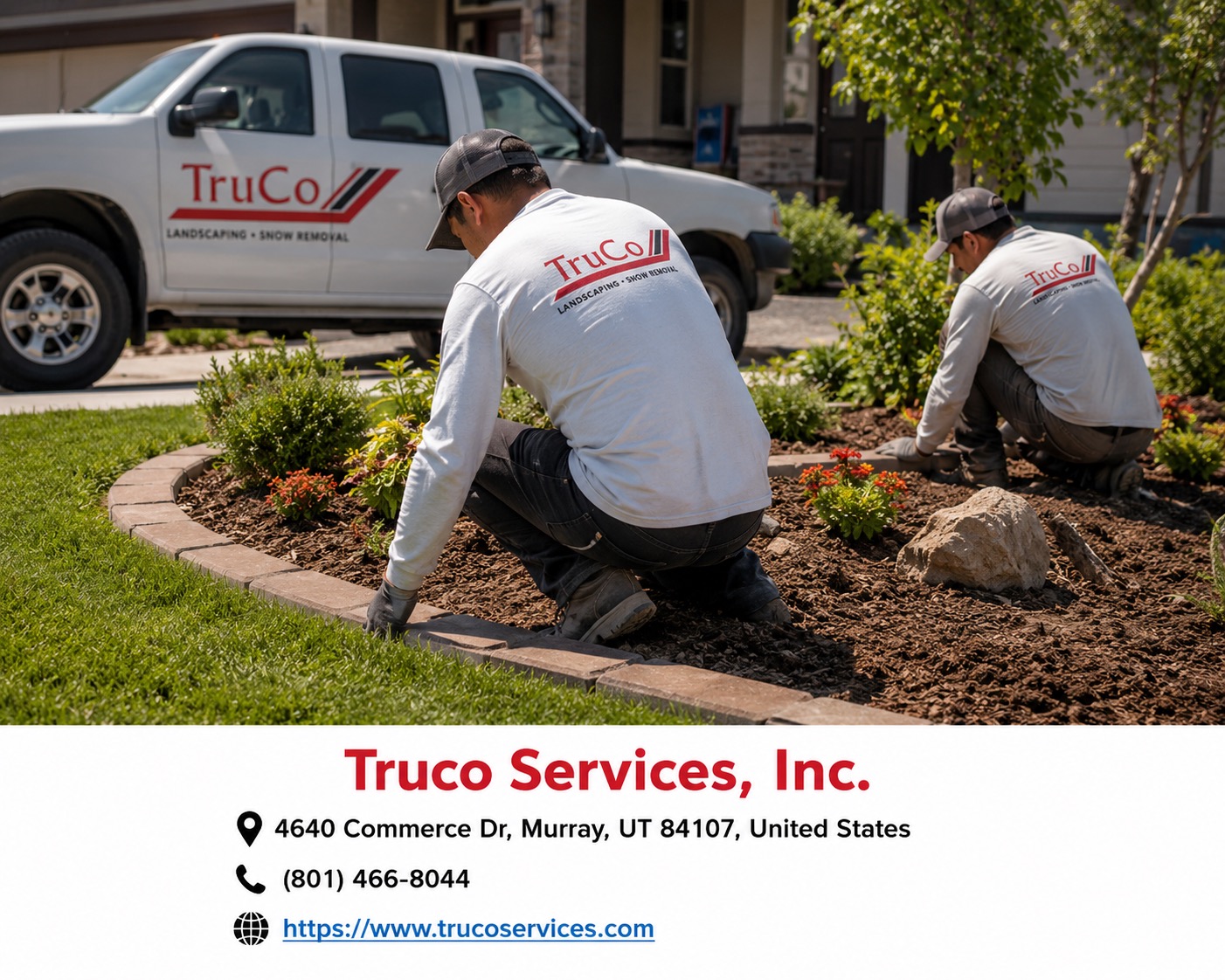
St. George Utah Garden Edging: A Complete Guide to Beautiful, Durable, Water-Wise Landscape Borders
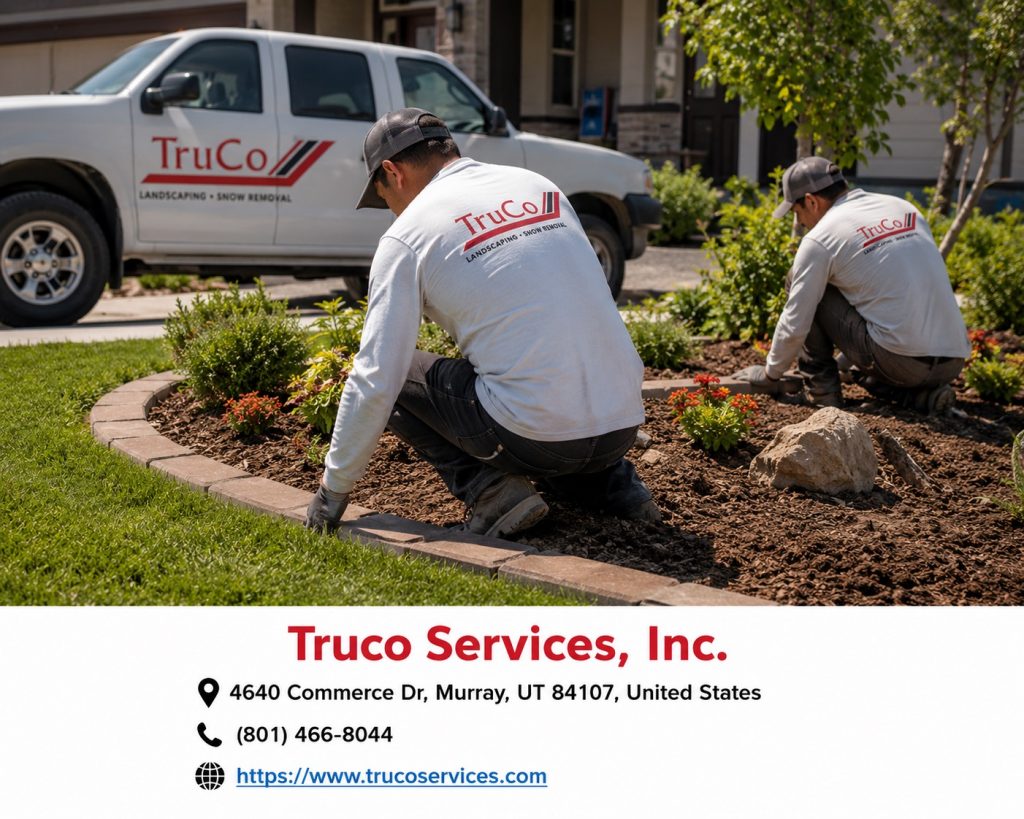
Garden edging is one of those landscaping details that can completely change the appearance of a property. While it may seem like a small finishing touch, properly installed St. George Utah garden edging can define planting beds, separate lawn from mulch or decorative rock, protect pathways, improve maintenance, and give an entire landscape a clean, professionally designed appearance.
In St. George, Utah, garden edging can be especially valuable because landscaping often needs to balance aesthetics with the region’s hot, dry conditions. A well-planned landscape may incorporate drought-tolerant plants, decorative rock, gravel, mulch, limited turf, efficient irrigation, and other water-conscious features. Properly defined garden borders help bring all of these elements together into an organized outdoor space.
For homeowners considering a new landscape, renovating an existing garden, or simply looking for a cleaner appearance around their planting beds, professional edging can be an excellent investment.
What Is Garden Edging?
Garden edging is a border installed between two different landscape areas. For example, edging can separate a flower bed from a lawn, a gravel area from a planting bed, or a garden from a walkway.
The border may be made from several different materials, including:
- Concrete
- Natural stone
- Brick
- Pavers
- Steel
- Aluminum
- Landscape timbers
- Decorative rock
- Recycled landscape materials
- Other manufactured edging products
The purpose is both functional and aesthetic. Edging establishes a physical boundary while creating a visual transition between landscape elements.
In a St. George yard, edging may be used around flower beds, trees, shrubs, vegetable gardens, xeriscape areas, pathways, patios, front-yard planting areas, and backyard garden spaces.
If you need related articles, see the following:
St. George Utah Lawn Maintenance
How to Choose a Sod Installation Company in Utah
How to Choose a Commercial Landscaping Company in Utah
Why Garden Edging Is Important in St. George Utah
St. George presents unique landscaping considerations. The region’s hot climate and water-conscious landscaping needs mean that property owners often need to think carefully about plant selection, irrigation, soil, mulch, rock, and maintenance.
Garden edging can help make these different components easier to manage.
A professionally planned St. George landscape may combine drought-tolerant plants, decorative rock, gravel, mulch, trees, shrubs, ground covers, and limited turf. Properly designed borders help keep those materials in their intended areas.
1. Creates Clean Landscape Lines
One of the most immediate benefits of edging is appearance.
A garden bed without a defined boundary can gradually lose its shape. Grass may grow into the bed, mulch can spread outward, and decorative rock may migrate onto walkways or lawn areas.
Edging establishes a clear line.
Curved edging can create a softer, more natural appearance, while straight lines and geometric shapes can complement modern homes and formal landscape designs.
2. Keeps Mulch and Rock Contained
St. George landscapes frequently use decorative rock and other mulch materials. These materials can look fantastic when properly installed, but they can migrate over time because of foot traffic, wind, rain, irrigation, lawn equipment, and routine maintenance.
A suitable border helps keep the material contained.
This can reduce the amount of time homeowners spend moving rock or mulch back into place.
3. Separates Lawn From Garden Beds
Grass has a habit of traveling.
Without an effective boundary, turf can gradually grow into planting beds, creating an untidy transition and increasing maintenance requirements.
Garden edging creates a distinct separation between turf and plants.
This can make mowing and trimming easier because the maintenance crew or homeowner can clearly see where the lawn ends and the garden begins.
4. Improves Curb Appeal
The front yard is often the first part of a property visitors see.
A well-maintained landscape with clearly defined garden beds can make the property look more organized and intentional.
Edging can frame:
- Front-yard flower beds
- Foundation plantings
- Trees
- Shrub beds
- Walkways
- Driveways
- Decorative rock areas
- Entry gardens
Rather than looking like individual landscaping components placed randomly throughout the property, the yard can have a cohesive visual structure.
Popular Garden Edging Options for St. George Utah
There is no single edging material that works for every property. The best choice depends on the landscape design, budget, maintenance requirements, desired appearance, and surrounding materials.
Concrete Edging
Concrete is a popular choice for permanent landscape borders.
It can provide a strong, clean boundary and can be shaped to follow curves or straight lines. Concrete edging can work particularly well when homeowners want a polished, architectural appearance.
It may also complement concrete sidewalks, driveways, patios, walls, and other hardscape features.
Metal Edging
Steel and aluminum edging can provide a relatively subtle border.
Metal edging is particularly useful when the goal is to create a clean line without making the border itself a dominant visual feature.
Some Utah landscape specifications use metal landscape edging as part of formal landscape installations.
Brick and Pavers
Brick or paver edging can add texture and color to a landscape.
It can work especially well around traditional gardens, walkways, patios, and formal planting beds.
Because pavers are available in numerous shapes and styles, they can be incorporated into many landscape designs.
Natural Stone
Natural stone creates an organic appearance and can complement Southern Utah’s distinctive desert environment.
Stone edging can be particularly attractive around xeriscape gardens, rock gardens, drought-tolerant plantings, and informal planting beds.
Landscape Timbers
Wooden landscape borders can provide a rustic appearance.
However, homeowners should consider durability and long-term maintenance when choosing wood in a hot, dry environment.
Flexible Plastic Edging
Plastic edging can be inexpensive and relatively easy to install.
However, homeowners should carefully consider product quality, exposure to weather, installation method, and long-term durability before choosing it for a permanent landscape.
Garden Edging and Xeriscaping
Garden edging has an important role in water-wise landscape design.
Xeriscaping in St. George does not simply mean removing grass and covering everything with gravel. A successful water-conscious landscape can combine appropriate plants, efficient irrigation, soil preparation, drainage, mulch, decorative rock, trees, and carefully selected turf areas.
Edging helps organize these zones.
For example, a landscape might include:
Turf → Garden Edging → Decorative Rock → Shrub Bed → Stone Pathway
Each material has a specific purpose and a clearly defined boundary.
This organization can make the landscape easier to maintain and can contribute to a more intentional overall design.
Garden Edging Around Trees
Trees are another excellent application for garden edging.
A circular or curved border around a tree can create a dedicated planting or mulching area. This can make the tree a stronger visual focal point while separating it from surrounding turf.
However, edging around trees needs to be planned carefully.
Avoid creating conditions that damage trunks or interfere with healthy root development. Mulch should also be placed appropriately rather than piled directly against tree trunks.
Professional landscape planning can help ensure that decorative borders enhance the tree without creating unnecessary problems.
Garden Edging for Flower Beds
Flower beds benefit tremendously from defined borders.
An edging line can help create a deliberate shape and keep soil and mulch contained.
For example, a front-yard flower bed might feature a broad curved border running parallel to a walkway. Inside the bed, plants could be arranged according to height, color, texture, and water requirements.
The edging essentially acts as the frame around the garden.
Just as a picture can look more complete with a well-chosen frame, a garden can look more polished when its planting area has a deliberate boundary.
Garden Edging for Decorative Rock
Decorative rock is widely used in water-conscious Utah landscapes.
It provides texture and can reduce the need for extensive turf, but loose rock needs to be managed.
Edging can help prevent rocks from spilling into:
- Sidewalks
- Driveways
- Lawns
- Patios
- Garden beds
- Drainage areas
A properly planned border also makes it easier to maintain a consistent depth and appearance.
Garden Edging and Weed Management
Edging is not a magical weed-prevention system, but it can contribute to better garden maintenance.
A clearly defined bed makes it easier to identify unwanted vegetation and remove it before it spreads.
It can also make mowing and trimming more precise.
The important distinction is that edging should be considered one part of an overall maintenance strategy rather than a replacement for proper weed control.
How Professional Garden Edging Is Installed
The exact installation process depends on the selected material, but professional edging typically starts with planning rather than immediately digging.
Step 1: Evaluate the Landscape
The existing yard should be evaluated to determine:
- Property layout
- Existing planting beds
- Drainage
- Irrigation
- Turf boundaries
- Trees and shrubs
- Walkways
- Patios
- Decorative rock
- Soil conditions
- Desired design
Step 2: Establish the Border
The proposed edge is marked according to the landscape plan.
This is where the design begins to take shape.
Curves should look intentional rather than random, while straight borders should maintain consistent alignment.
Step 3: Prepare the Area
Depending on the material, the installation area may need excavation, grading, leveling, or soil preparation.
Proper preparation is critical because an attractive edging material can still perform poorly if it is installed on an unstable or improperly prepared base.
Step 4: Install the Edging
The selected edging is then installed according to the material’s requirements.
Concrete, metal, stone, pavers, and other materials have different installation procedures.
Step 5: Finish the Garden Bed
Once the border is established, soil, mulch, rock, plants, or other landscape materials can be placed within the defined area.
The final result should be a clean transition between the landscape zones.
Common Garden Edging Mistakes
DIY edging can look simple, but several common mistakes can affect the finished result.
Making the Border Too Shallow
If edging is not adequately secured or installed to the appropriate depth, it may shift over time.
Creating Uneven Curves
A garden bed should have a deliberate shape. Random curves can make an otherwise beautiful landscape look unfinished.
Ignoring Drainage
Edging should not create unwanted water-flow problems.
Drainage should be considered before installing borders, particularly where landscape beds meet structures, walkways, and hardscape.
Installing Edging Too Close to Plants
Plants need room to grow.
Garden borders should be designed with mature plant size in mind rather than only the appearance of newly installed plants.
Choosing Materials That Do Not Match the Landscape
A beautiful edging product can still look out of place if it conflicts with the property’s architecture or existing hardscape.
The best landscape designs consider the entire property rather than treating edging as an isolated feature.
Why Call Truco Services for St. George Utah Garden Edging?
When garden edging is part of a larger landscaping project, it makes sense to work with a company that understands how individual landscape elements fit together.
Truco Services, Inc. provides landscaping services and publishes guidance on St. George landscaping, garden landscaping, xeriscaping, and landscape design. Its St. George landscaping resources emphasize planning around the property’s characteristics, water requirements, plant selection, irrigation, hardscape, and maintenance.
There are several reasons property owners may want to contact Truco Services when planning garden edging.
Experience With Complete Landscape Planning
Edging works best when it is incorporated into the larger landscape plan.
Rather than choosing a border independently, a professional can consider how it will interact with plants, turf, rock, mulch, pathways, irrigation, and other features.
Truco Services describes its landscape design approach as considering the customer’s vision, preferences, property characteristics, and budget before developing a tailored concept.
Water-Wise Landscaping Knowledge
St. George landscaping requires thoughtful water management.
Garden edging may be only one component of a broader project involving xeriscaping, drought-tolerant plants, decorative rock, efficient irrigation, and reduced turf.
Truco Services’ landscaping resources specifically address water-conscious landscaping approaches appropriate to Southern Utah.
Professional Appearance
If you’re investing in landscaping, the finishing details matter.
Straight, clean, properly positioned borders can make the difference between a landscape that looks merely functional and one that looks professionally designed.
Help With Larger Landscaping Projects
A homeowner may initially call about garden edging and discover that the property also needs bed renovation, plant installation, rock placement, irrigation improvements, landscape design, or other work.
Working with a landscaping company can make it easier to coordinate these elements as part of one cohesive project.
What Should You Consider Before Installing Garden Edging?
Before starting your project, think about the following questions:
- What areas need to be separated?
- Do you want straight lines or curved beds?
- Will the border separate lawn from mulch, rock, or plants?
- What edging material complements your home?
- How much maintenance are you willing to perform?
- Does the design account for irrigation?
- How will mature plants interact with the border?
- Does the edging affect drainage?
- Will the material withstand local weather conditions?
- Should the edging be part of a larger landscape renovation?
Answering these questions can help produce a more functional result.
Garden Edging Can Increase the Impact of Your Entire Landscape
One of the biggest advantages of garden edging is that it does not need to be dramatic to make a difference.
A simple, well-designed border can visually organize an entire yard.
Imagine a St. George front yard with drought-tolerant shrubs, flowering perennials, decorative rock, a small turf area, and a walkway. Without defined boundaries, those materials can visually blend together.
Add thoughtfully designed edging, and suddenly each zone has a purpose.
The garden looks cleaner.
The walkway looks more defined.
The rock stays where it belongs.
The planting beds have shape.
The lawn has a clear boundary.
And the entire property can appear more intentional.
Maintaining Garden Edging in St. George
Even durable edging requires occasional attention.
Homeowners should periodically inspect borders for:
- Shifting
- Cracks
- Soil movement
- Weed growth
- Rock migration
- Mulch displacement
- Irrigation problems
- Plant overgrowth
- Damage caused by lawn equipment
Seasonal landscape maintenance can help keep the borders looking sharp.
It is also important to trim vegetation before it completely obscures the edging. A beautiful border does little for the landscape if weeds and overgrown plants hide it.
Final Thoughts on St. George Utah Garden Edging
St. George Utah garden edging is a practical and attractive way to define landscape areas, contain mulch and decorative rock, separate turf from planting beds, improve maintenance, and enhance curb appeal.
The best results come from treating edging as part of the overall landscape rather than as an isolated installation. St. George’s dry climate makes thoughtful landscape planning especially important, and edging can complement water-wise approaches that incorporate appropriate plants, irrigation, mulch, rock, turf, and hardscape.
Whether you’re creating a new garden, renovating an existing yard, improving a xeriscape, or simply looking for a cleaner transition between landscape materials, professional garden edging can provide the definition your property needs.
For homeowners who want the edging to work with the rest of their landscape, Truco Services, Inc. is worth contacting to discuss the project. The company provides landscaping services and has published extensive information about St. George landscape design, garden landscaping, and water-conscious landscape solutions.
Contact Truco Services, Inc.
Truco Services, Inc.
Address: 4640 Commerce Dr, Murray, UT 84107, United States
Contact: (801) 466-8044
Website: https://www.trucoservices.com
If you’re planning St. George Utah garden edging, contacting a professional before installation can help you choose an appropriate design, material, placement, and overall landscape strategy—saving time and helping ensure the finished garden looks intentional, functional, and built for the Southern Utah environment.

Comments are closed.